The Rise of the Not-for-Profit Initiative
Some of the most beautiful work happening today isn’t being built inside traditional institutions. It’s emerging through not-for-profit private initiatives—mission-driven efforts that are lean, adaptable, and deeply connected to the communities they serve. Without layers of bureaucracy or rigid organizational structures, these initiatives can respond quickly, collaborate across sectors, and evolve alongside the needs they encounter. Their effectiveness often comes from proximity: the people doing the work are close enough to see the problems firsthand and flexible enough to respond in real time.
Not-for-profit initiatives are not a replacement for government, nonprofits, or established institutions. Rather, they fill the spaces in between—where innovation, trust, and community can move swiftly to meet needs that might otherwise go unmet. They complement existing systems by doing what they often cannot: adapting quickly while remaining deeply mission-focused.
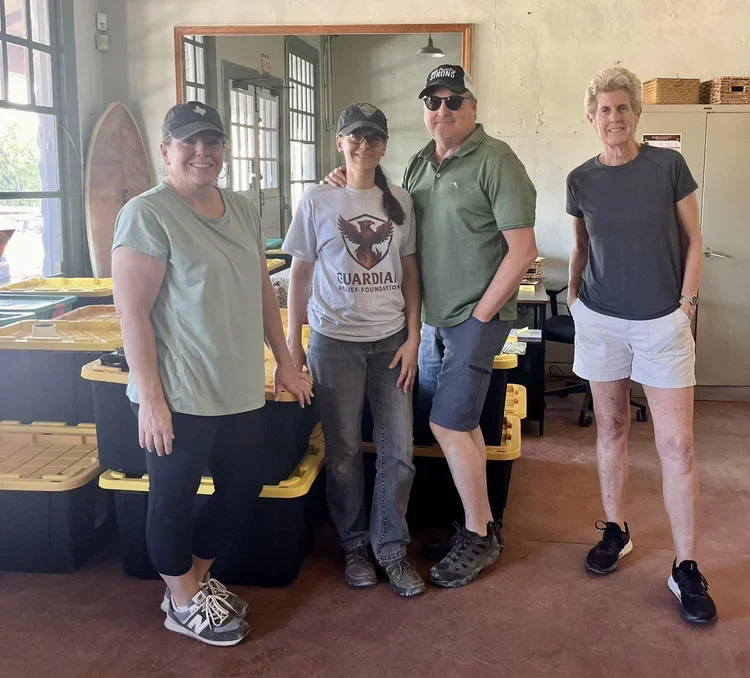
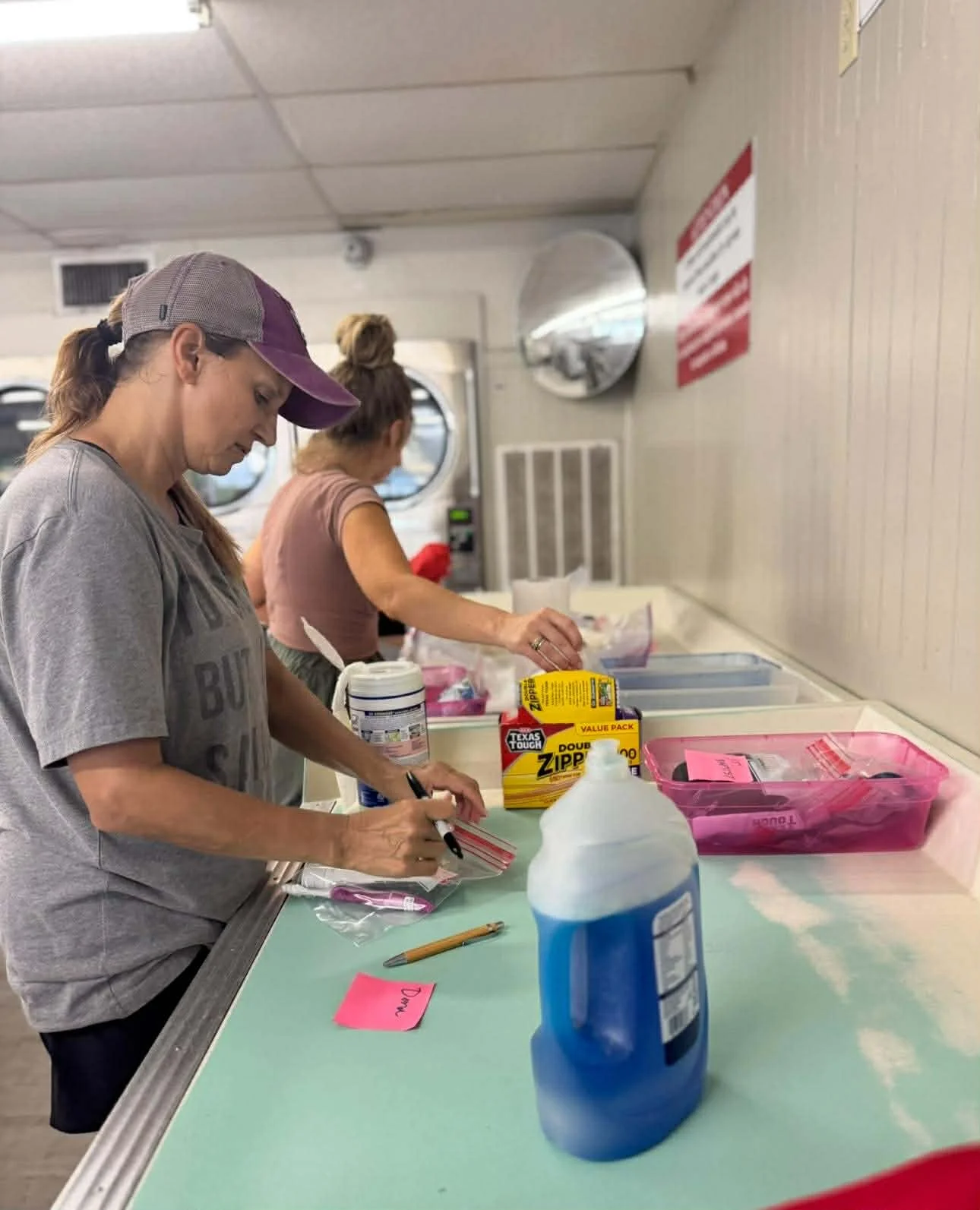
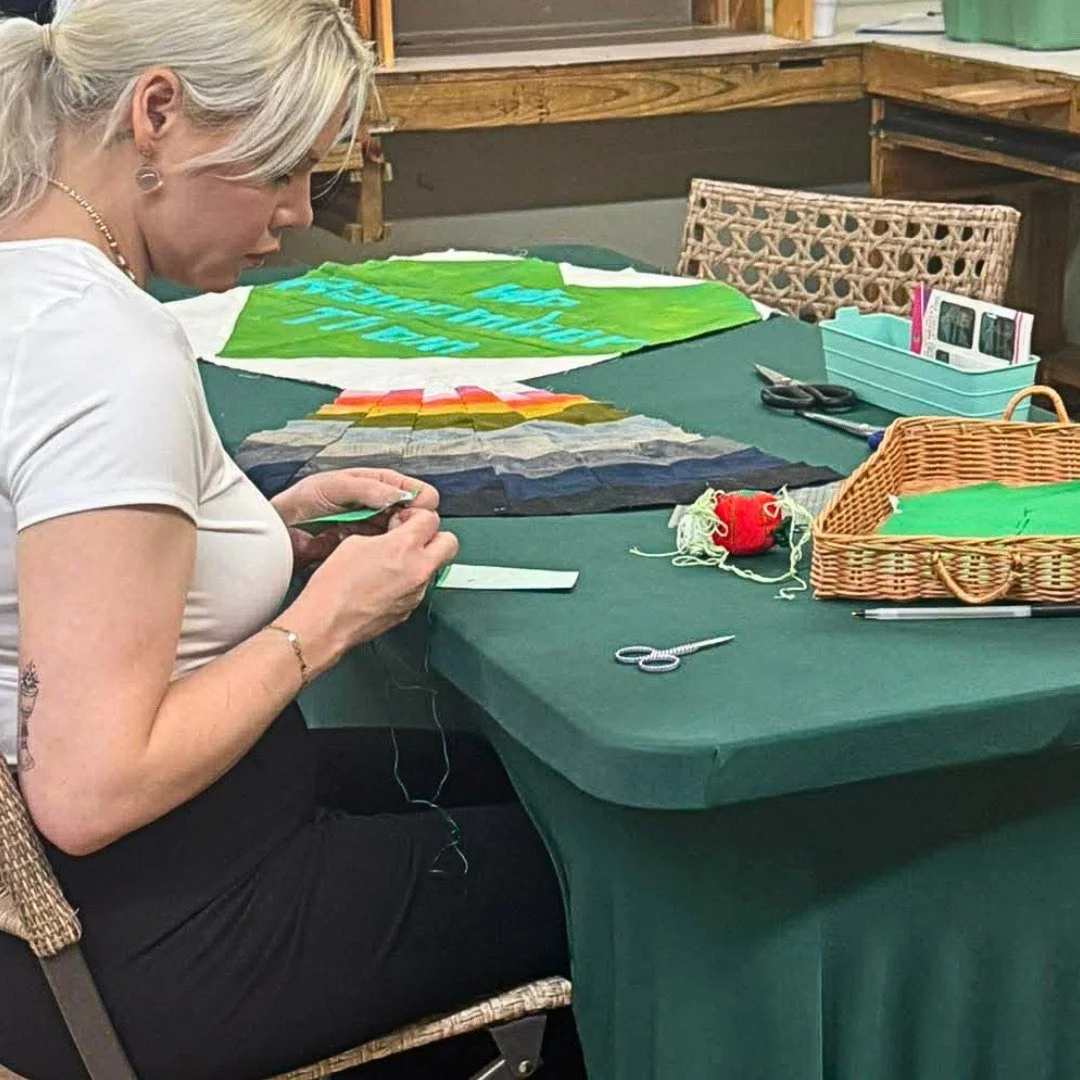
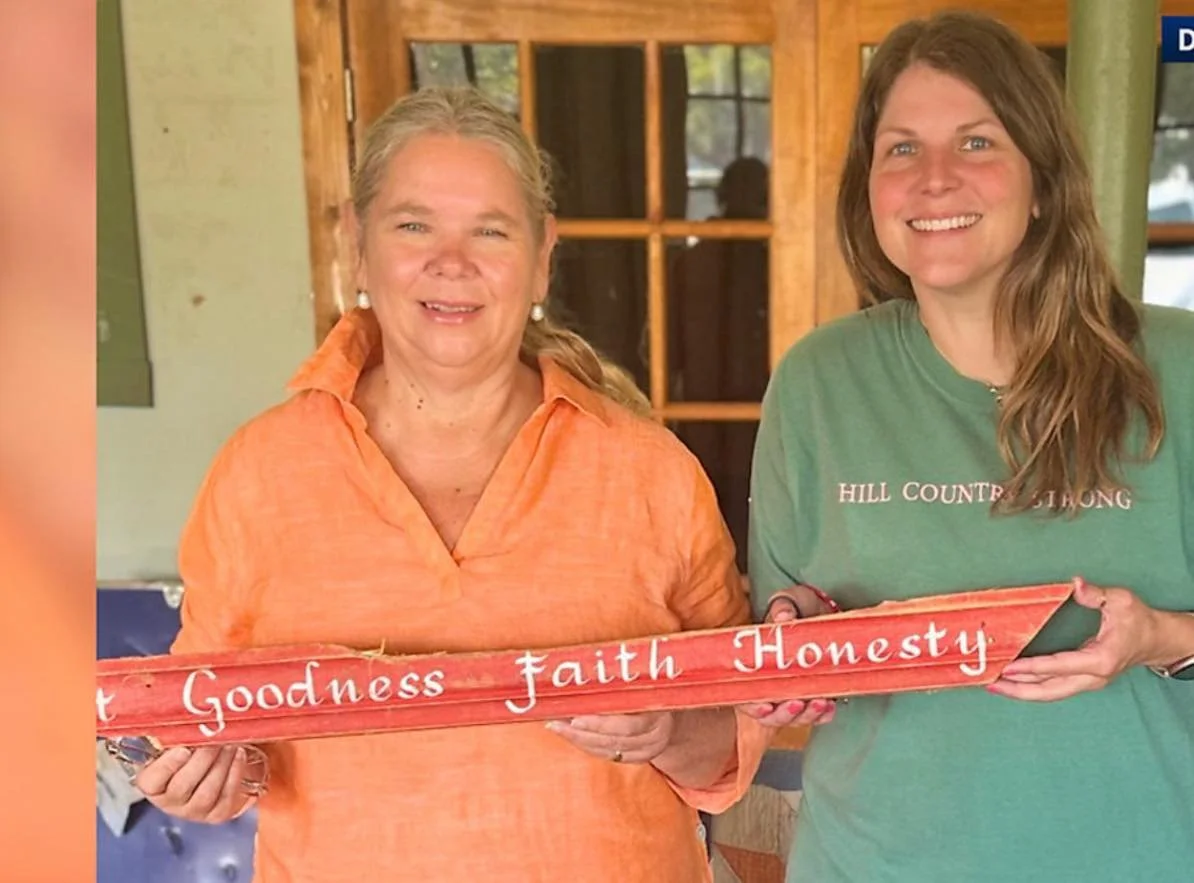
I believe Found on the Guadalupe demonstrates what this model can achieve. What began as a grassroots effort to recover and reunite flood belongings evolved into a comprehensive system of stewardship, preservation, and reunification that continues to guide the work today. By remaining independent and mission-focused, we were able to develop thoughtful practices that responded to real needs as they emerged.
In many ways, I believe this work has helped establish a benchmark for what mindful disaster recovery can look like—not because it followed an existing model, but because it was willing to create one. As communities face increasingly complex challenges, I expect we’ll continue to see more not-for-profit initiatives leading the way: flexible enough to innovate, focused enough to stay true to their mission, and deeply rooted in the people they serve.