Addressing the Mental Health of Flood Relief Supporters
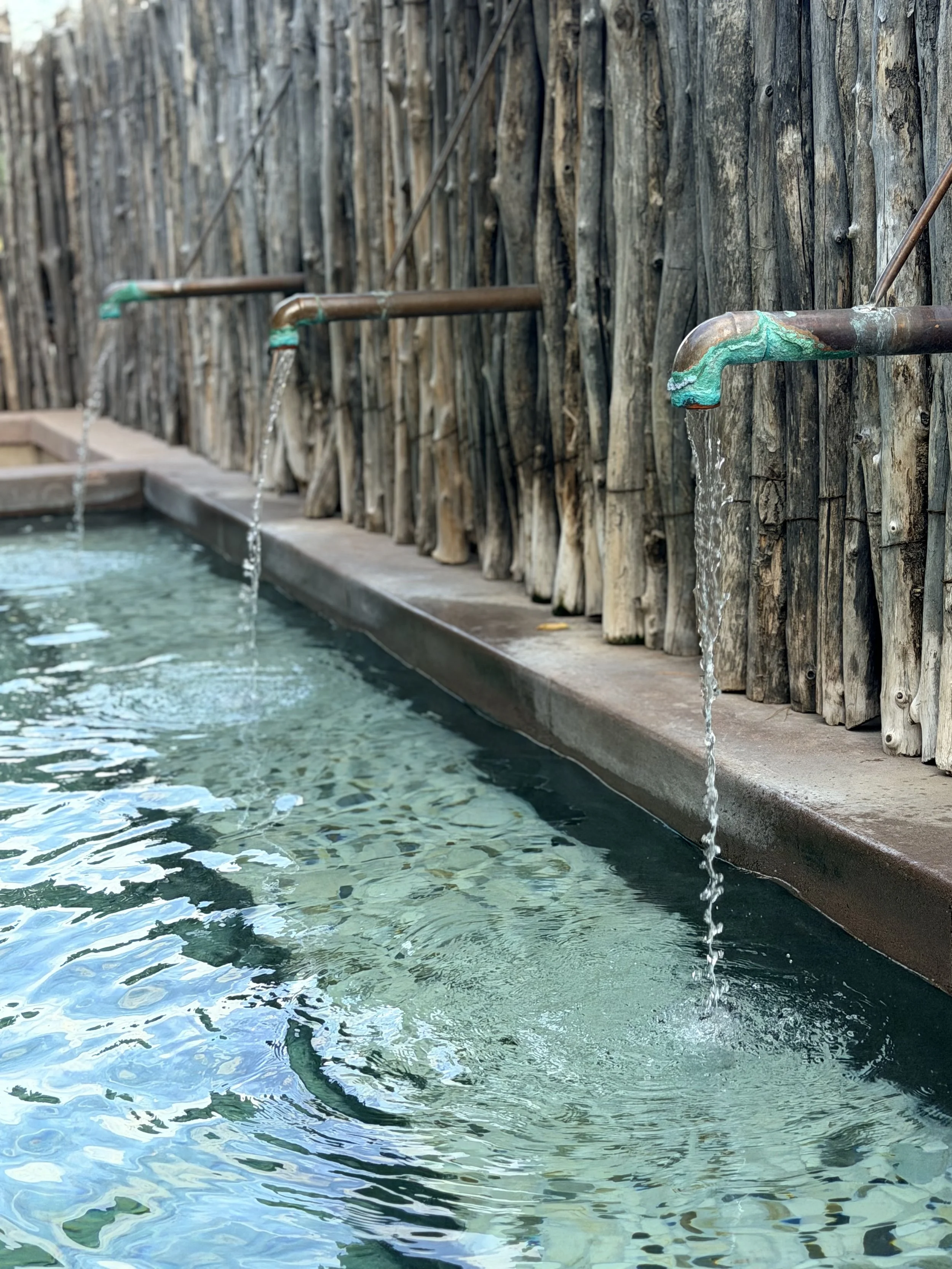
While taking a week of retreat to the cool mountains of Santa Fe, I’ve spent some time reflecting- nature is good to us that way. The ultimate place to find clarity is in clear water and clean air. I’m grateful for it. I'm grateful for rest and a clear mind.
There is an aspect of disaster response we don’t talk about enough: the mental health of the people who come to help.
Over the past year, I have watched extraordinary generosity. I have also watched what happens when good people operate for too long on adrenaline, grief and very little sleep.
Disaster creates urgency in everyone who touches it. For supporters, that urgency can become hyperarousal: sleeping less, moving faster, taking on more responsibility and feeling as though stopping means abandoning someone. Sleep deprivation further compromises judgment, emotional regulation and our ability to see situations clearly.
And somewhere in all of that, helping can become personal.
A survivor’s loss may awaken something unresolved in us — an old wound, a need to protect, a memory of when nobody came for us. Without realizing it, we can begin trying to repair our own story through someone else’s disaster.
That is where service requires self-awareness.
The need to be useful can become the need to be needed. Collaboration can become territory. Recognition can begin to matter. Disagreement can feel like betrayal. Ego can enter a space that began entirely from compassion.
None of this requires a villain.
It requires tired human beings.
It also requires boundaries.
In disaster work, boundaries are not coldness. They are containment. They protect our mental health, our physical safety, our relationships and our ability to make sound decisions. They allow us to say: this is what I can carry, this is what I cannot, this is where my responsibility ends, and this is what I need in order to continue serving well.
Those boundaries also have to be respected by the people around us. When someone clearly communicates that they need distance, rest, a change in role, less contact or simply room to breathe, continuing to press past that boundary does not become acceptable because the work is charitable or the intentions are good.
Respect is still respect in a disaster.
Perhaps especially then.
For those of us who are people of faith, there is an additional examination: Am I serving because I am called to serve, or has being the helper become something I need for myself?
Healthy service requires rest, boundaries, humility and the willingness to step away when our presence is no longer helping.
The people affected by disaster should never have to carry the unresolved wounds, exhaustion, competition or emotional needs of those who arrived to support them. And neither should the people serving beside us.
Sometimes the most loving thing a helper can do is sleep.
Sometimes it is surrender control.
Sometimes it is let someone else receive the credit.
Sometimes it is respect a boundary without needing to understand or agree with it.
And sometimes it is quietly recognize that this particular wound belongs to us — and tend to it somewhere other than inside someone else’s tragedy.
Service is sacred work.
It's hard work that affects both the helped and the helpers. Both need time and space to process being ever gentle with themselves and others.